What are you doing with your croft?
We’ve had our croft for nearly two years now and there are many things still to work out. The first challenge for any new crofter, without doubt is how to answer the question “what are you going to do with your land?”. Some people already have it all planned and there are many new and old crofting traditions.
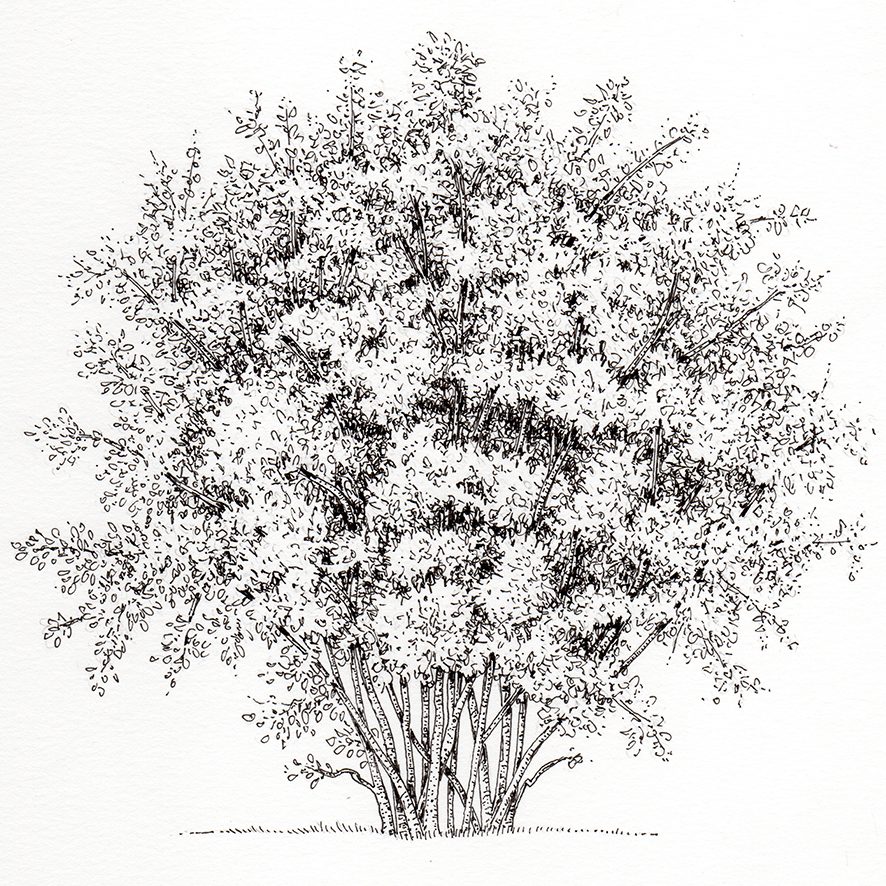
Ours is quite an unusual croft though. It’s sixty percent SSSI woodland, part of the rare Scottish rainforest here in Morvern. As crofters we have an obligation not to neglect the land; to cultivate it or put it to “another useful purpose” and keep it in good “agricultural and environmental condition”. There are some who might see the latter two as a contradiction in terms (as agriculture and nature are often seen as being opposed), but there are many examples of regenerative farming, and the issue is more to do with a market that puts increasing pressure on farmers to produce increasing amounts from the same land. On our croft, this is not our main question though. Instead, we have been pondering whether prioritising ecological restoration and maximising biodiversity counts as a “useful” enough purpose?
We think it does and it makes no less financial sense than small scale agriculture. This is essentially “rewilding” though – a term that some would associate with planned neglect.
The organisation Rewilding Britain define it as “large-scale restoration of ecosystems to the point where nature is allowed to take care of itself” and see a balance between people and nature as a fundamental part of a rewilding project.
For us, ecological restoration has to go hand in hand with both carbon capture and community. Because of the negative connotations of the term “rewilding” we tend to call it “managing for biodiversity”.
The best way to start to manage for biodiversity, however surprisingly, is to do nothing i.e. take the livestock off, sit and watch the land, see what happens, and learn from it. I’s been quite difficult to explain this to people though (particularly our parents) without it seeming like we don’t have a plan.
After about a year of doing this, it quickly became apparent that low level, large herbivore impact was going to be really good for our croft, particularly for the woodland, opening up the canopies, churning ground to allow acorns and hazels to germinate, and trampling the bracken.
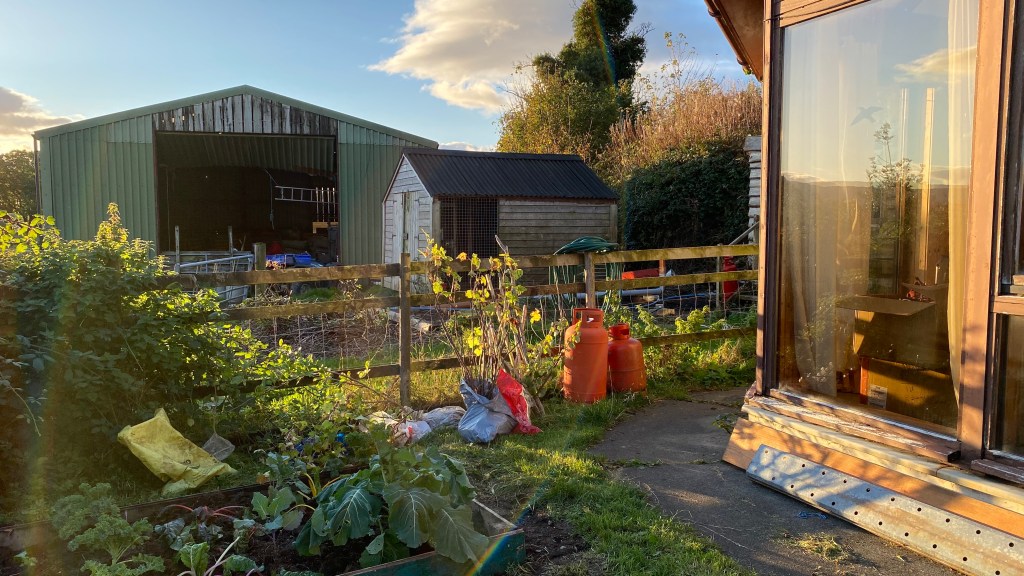
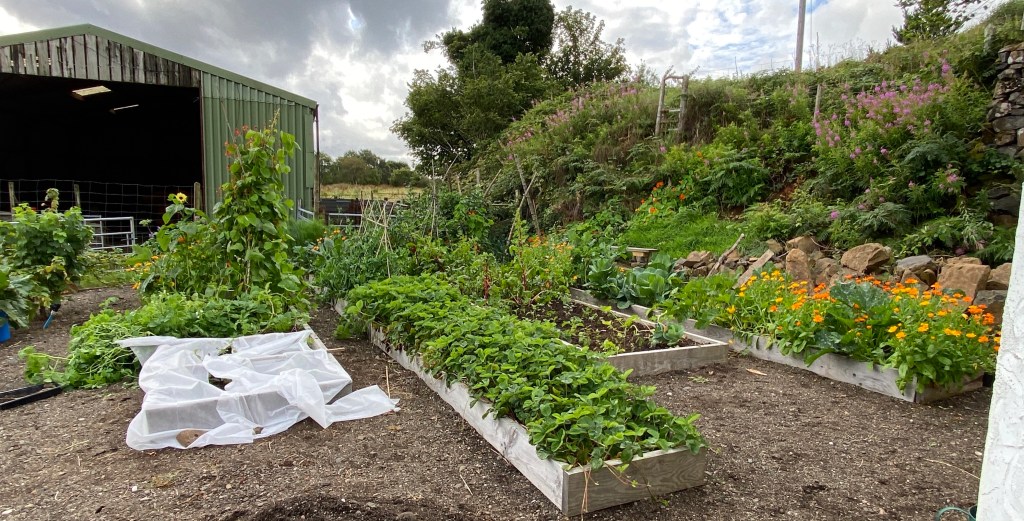
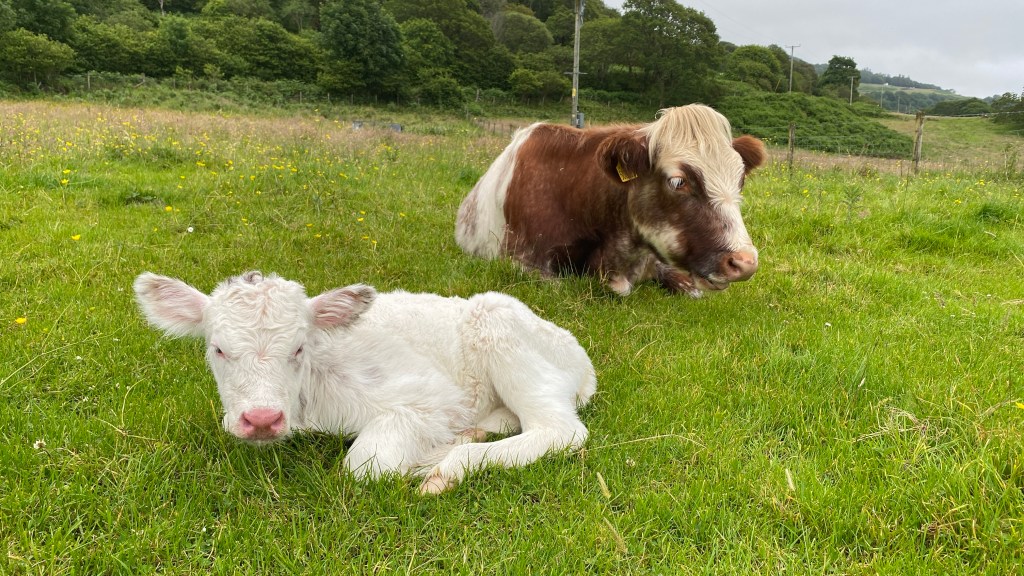
We found Betty Rhemore’s old cattle books which gave us a wonderful history of how many cows the croft sustained from the 1950’s to 1990s’ (I shall write more about this in future articles). At the same time, we visited Carna and saw the positive impact of the lovely Whitebred Shorthorn Highland cross cows, which I also slightly fell in love with. So, we borrowed some money, and invested in a small herd and already have three very sweet calves.
We now just have to answer the question, “what are you going to do with your cows?” instead. The short reply “try to keep them from escaping” seems to satisfy most people though.
The bigger question for us, is if our aim is maximising biodiversity, how will this be measured, and how can we do this while chasing cows, fixing fences, maintaining sheds and keeping our day jobs?

 Rhemore Wildcroft