Having written about the tough times last month, I had no idea that the week between writing my last piece and it going to print would be one of the most difficult we’ve had on the croft. It seems like a long time ago now. We’ve had several different volunteers since then, are now in the midst Morvern Games and Gala week, and are half way through building our new polycrub polytunnel.
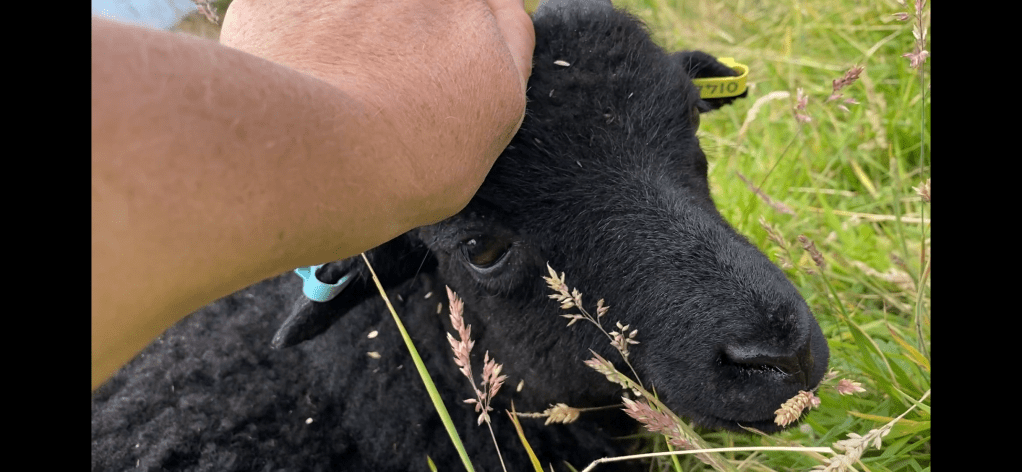
I’ve mentioned before we hadn’t been sure about keeping sheep, but our nine Hebridean/Shetland gimmers had been easy to look after and we’d grown fond of them, particularly the three black ones which seemed particularly friendly, and would run across the field to eat from our hands. We tried to keep pesticide use to a minimum and had treated them in April before they lambed for ticks, but not since. We had no idea what an issue blowfly-strike is for sheep as it hadn’t been a problem last year.
Sheep have been bred for their wool for thousands of years, as a result most breeds would struggle to survive without human care and shearing – especially in damp climates. This makes them prone to parasites getting into their wool because the sheep can’t remove them. Sheep dips were invented in the Scottish Borders in the 1830’s to deal with this problem, but they are carcinogenic to sheep and to farmers and cause soil and water pollution. Topical insecticides are now used at regular intervals, but these are also damaging for the environment and partly responsible for the collapse in the bee population.
The weeks of hot drought, followed by very heavy warm rain were perfect conditions for blowfly-strike. The sheep were hot and bothered and needed shearing and we planned to join up with a neighbouring croft to get in professional shearers as we had done last year. But the fly strike hit quickly and, despite our attempts to save them, in the space of 24 hours we lost all three of our black sheep (almost certainly because they suffered the heat more). We treated the others straight away but couldn’t risk leaving the wool on and removed it by hand with shears, as novices this took us a long time. We saved the rest of the sheep, but in our hearts knew that if we had more experience we would have spotted the signs earlier and not lost our favourite three.
Our long grass hadn’t helped, we also had the sheep in a low field to monitor a lamb with scald and in hindsight we could have moved them onto the hill to get more breeze.
Our hardy Hebrideans had died partly because of their inability to shed the wool they’d been bred for. Yet in today’s economy raw wool is worth less than the cost of shearing it, particularly in small quantities; the cleaning and processing costs are too much compared to manmade fibres. This is why pure wool products are so expensive. In some communities, like Iona, small farms and crofts have formed collectives and send their wool off together to make it more cost effective. The wool is brought back to be spun and knitted into bespoke local products made of “Iona wool”. There are other uses for wool such as mulching or path making that makes it less wasteful. For commercial meat farming there are new wool-less breeds like Exlana and older self-shedding breeds like Soay. But wool is a wonderful product, unlike manmade micro fibres that are polluting our seas and soils and in an ideal world we would find cheaper, easier ways of processing it so it is not wasted, particularly when it is what sheep have been bred for.
That all said, if the main aim is biodiversity on our croft, we can’t keep animals that need to be treated with large amounts of insecticide and antibiotics to survive. We could try moving the sheep to higher ground in the summer, and we might get some Soay, but we are questioning whether we should really keep sheep at all.
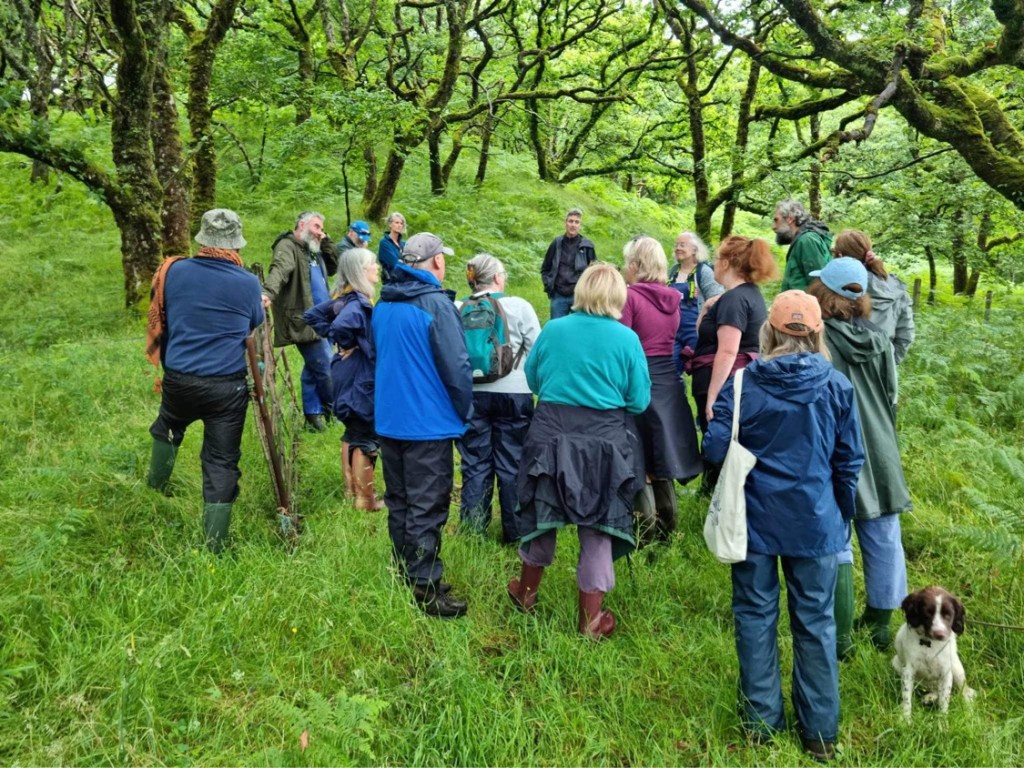
On a more positive note we still have twelve healthy lambs and had a great Games and Gala week. Seventeen people came to the croft for a rainforest tour and were overwhelming enthusiastic. It’s been inspiring to see so many people in our small community pull together and put in so many voluntary hours and it is this sense of community that keeps us going through the tough times.

 Rhemore Wildcroft
Leave a comment