Last month I talked about being prepared for an uncertain future and it came quicker than I anticipated! We were effectively cut off for a day when the river Aline flooded after heavy rain and a landslide on the Drimnin road by the croft made it hard to get to the village for a few days. According to the Scottish government there is already 60% more rain here in the winter months here than there was fifty years ago due to climate change. It’s weird to think there is even more extreme change to come and hard to imagine.
The heavy rain outside shifted our focus to indoor jobs. Our woodland management plan is nearly complete, and we’ve just sent it to our neighbours. It’s been through lots of drafts and revisions, some as result of input from Scottish Forestry, but most from spending time on the croft reflecting on things.
Our original plan, based on advice we were given, was to create a new planting scheme and register for carbon credits. We soon realised that we were being led by the funding and not by what we wanted to achieve. This is an easy trap to fall into.
Our aim for the croft has always been to maximise biodiversity and capture carbon by restoring and increasing the incredible woodland we’ve become the custodians of. Having a woodland ecologist on site is even more reason to be considered and targeted in how we do this.
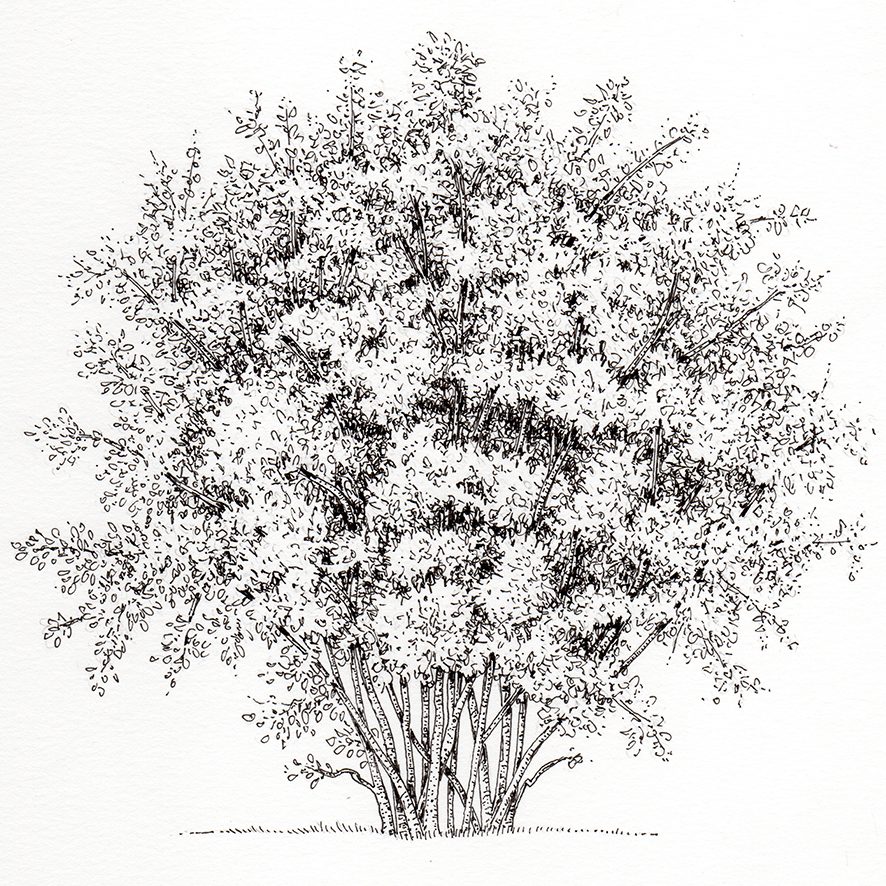
So our woodland management plan has evolved and the focus now is on creating the conditions for trees to grow from the seed sources already here – ideally without disrupting the existing flora and fungal networks that still remain from the ancient woodland that was once here (even where there are no trees). Conventional tree planting requires digging up large areas of land and using prescriptive planting methods which would work against this.
Instead, we plan to assist the natural processes of regeneration by collecting and scattering seeds and acorns, growing trees ourselves from our own seed source and planting them selectively by hand in certain areas of the croft, as well as carefully controlling where the cattle graze and removing deer (at least until there are young trees growing). This will bring in very little if any money by way of subsidy or credits, but it will be better for our woodland and better for us as it will be more enjoyable and rewarding work. It will also mean releasing less carbon into the environment with the same potential for new trees.
I know that we are in a privileged position to be able to make these decisions. The balance between making decisions that are right for a project and ones that bring in funding is difficult. That’s why government subsidies have such a massive impact on what is happening to the land. Their one-size-fit all approach means people are less likely to respond to the unique attributes of the land that already exist let alone to the needs of a local community. For example in Morvern, hazel has only recently been recognised as woodland, yet it is what makes our woods so special as a habitat for lichens, wild cats, fungi and all kinds of other wildlife with the potential to be a unique selling point for the area.
This is where filmmaking and crofting have something in common. The hoops one has to jump through to get a film funded often kill the creativity in a project because those with the purse strings apply the same rules to every film with little understanding of the creative process or room for flexibility. When films are not led by the project itself, or made from the pure joy of storytelling and desire to entertain, but just to make money, they are usually not very good and often quite soulless and samey. Being allowed to follow one’s creative instincts might also be viewed as a privilege, but I think we might all be poorer if we see the world this way. Diversity means all kinds of different things, but it usually means richness. Seemingly unresolvable problems are usually solved with creative solutions that mean thinking outside the box even when it comes to woodland management plans.
 Rhemore Wildcroft
Leave a comment